
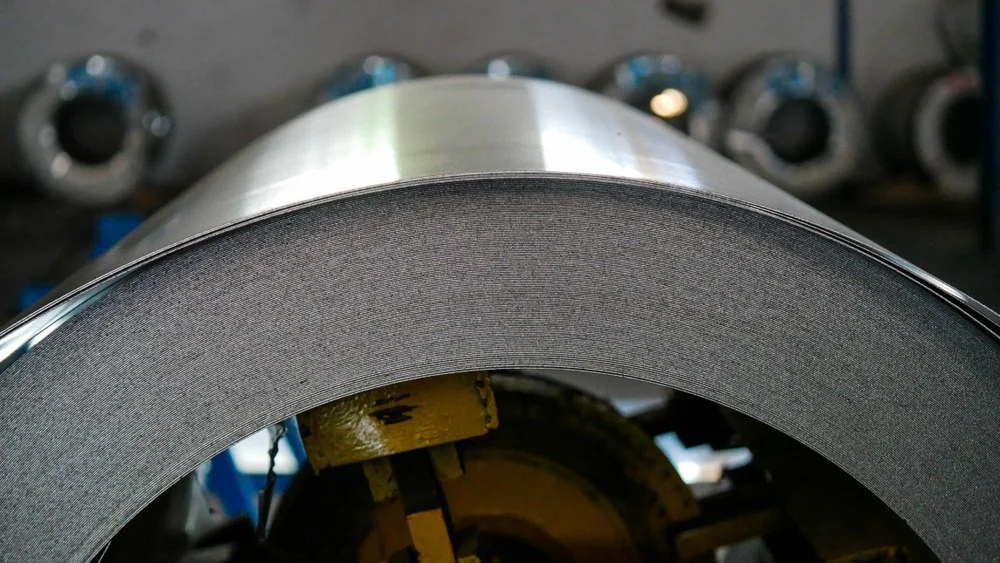
Material Innovation in Heavy Industry: New Alloys & Coatings
In heavy industry, durability and efficiency depend on the materials used. Over the past decade, advances in new alloys and protective coatings have reshaped how plants, pipelines, mining equipment, and shipyard structures are designed and maintained. These innovations not only extend the lifespan of critical assets but also reduce downtime, improve safety, and support sustainability goals.
High-Performance Alloys
1. Advanced Stainless Steels
Modern stainless steel grades offer improved resistance to corrosion, higher strength-to-weight ratios, and enhanced weldability. These alloys are now standard in refineries, petrochemical plants, and shipyard pipelines, where exposure to aggressive chemicals and saltwater can cause rapid degradation.
2. Nickel-Based Alloys
Nickel alloys, such as Inconel, are essential in environments with extreme heat and pressure. They are commonly applied in refineries, high-temperature piping, and turbine components, where traditional steels would fail.
3. Dual-Phase and High-Strength Low-Alloy (HSLA) Steels
HSLA steels balance strength, ductility, and weight. In mining and heavy construction, they are used for large structural components and machinery parts, improving performance under high loads without adding excessive weight.
Protective Coatings
1. Ceramic Coatings
Ceramic-based coatings are gaining popularity for their heat resistance and wear protection. Mining equipment, pipelines, and furnace components benefit from reduced erosion and improved thermal stability.
2. Polymer and Composite Coatings
Epoxy and polyurethane coatings remain widely used for corrosion resistance, but new hybrid formulations combine chemical resistance, flexibility, and impact strength. These are critical in marine and port environments, where constant exposure to water and mechanical stress is unavoidable.
3. Thermal Spray Technologies
Thermal spray coatings (HVOF, plasma spray) create dense, protective layers on components exposed to abrasion and corrosion, such as conveyor rollers, pumps, and ship propellers.
The Industrial Impact
The adoption of advanced alloys and coatings directly benefits heavy industry:
-
Extended Equipment Lifetime – less frequent replacements and fewer shutdowns.
-
Reduced Maintenance Costs – stronger materials mean fewer interventions.
-
Safety Improvements – structural integrity lowers the risk of accidents.
-
Sustainability – longer-lasting components reduce material waste and energy use.
Challenges to Adoption
-
Cost – advanced alloys and coatings are more expensive upfront, requiring long-term ROI planning.
-
Specialized Workforce – installation and repair demand welders, fitters, and supervisors trained to handle these new materials.
-
Supply Chain – some alloys require rare raw materials, making procurement a challenge.
Conclusion
Material innovation is one of the driving forces behind the evolution of heavy industry. From refineries and petrochemical plants to mining and shipyards, the use of advanced alloys and coatings ensures safer, more durable, and more efficient operations. While costs and training requirements remain challenges, the long-term benefits far outweigh the initial investments.
