
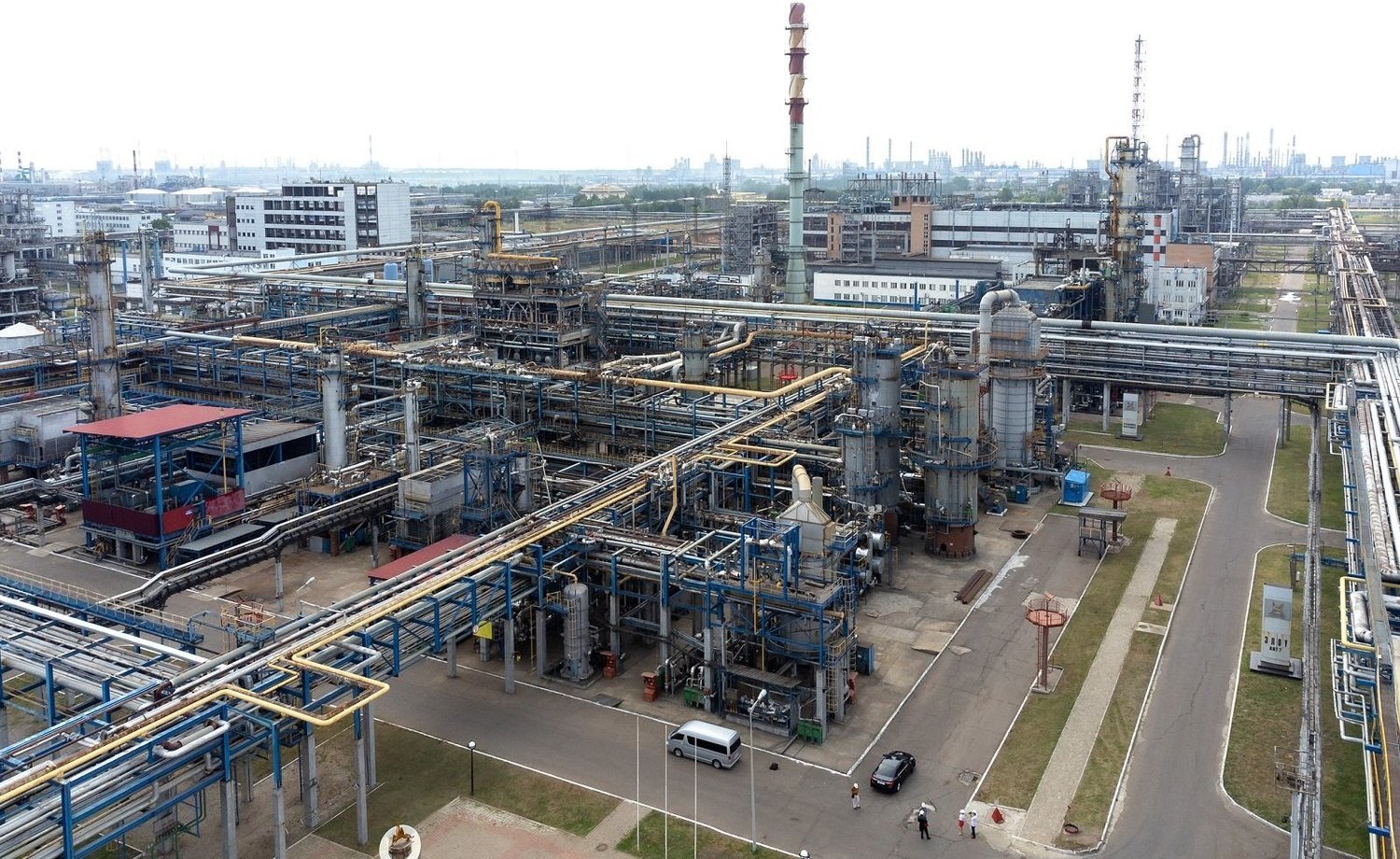
Modern Refinery Maintenance: Balancing Safety, Efficiency, and Innovation
Refineries are among the most complex and critical facilities in heavy industry. They transform crude oil into fuels, feedstocks, and petrochemicals that power economies across the globe. However, the very nature of refinery operations—high temperatures, extreme pressures, and exposure to corrosive chemicals—makes them particularly vulnerable to wear, failures, and safety risks.
For this reason, refinery maintenance and shutdown management are not simply technical requirements—they are strategic priorities. Plants that implement robust maintenance practices benefit from higher efficiency, reduced downtime, and stronger compliance with strict environmental and safety standards.
The Complexity of Refinery Assets
Refinery infrastructure is vast and diverse, covering:
- Pipelines and Piping Systems – the circulatory system of the refinery.
- Distillation Columns – the heart of crude separation.
- Pressure Vessels and Reactors – operating under severe mechanical and chemical stress.
- Storage Tanks – requiring regular inspection to avoid leaks and contamination.
- Heat Exchangers and Boilers – essential for process efficiency, but prone to scaling and fouling.
Each of these assets requires a tailored maintenance strategy to ensure reliability and long service life.
Best Practices for Refinery Maintenance
1. Early and Detailed Shutdown Planning
Planned shutdowns (turnarounds) are the cornerstone of refinery maintenance. The most successful shutdowns start with preparation up to 12–18 months in advance. Early planning enables:
- Clear scope definition.
- Identification of critical path tasks.
- Alignment of contractors, workforce, and suppliers.
- Minimization of unexpected downtime.
2. Deploying Skilled and Multi-Disciplinary Teams
Shutdowns bring together welders, fitters, electricians, mechanical engineers, planners, and supervisors—all working under strict deadlines. The experience and coordination of these teams often determine whether a shutdown is efficient or plagued by delays and cost overruns.
3. Use of Non-Destructive Testing (NDT)
NDT methods like ultrasonic testing, radiography, magnetic particle inspection, and acoustic monitoring allow plants to detect flaws without taking equipment out of service. This reduces downtime while increasing reliability.
4. Integration of Digital Tools
Digital twins and predictive maintenance platforms are becoming increasingly common. These tools monitor vibration, temperature, and pressure, predicting when interventions are needed. While digital tools provide insights, human expertise remains essential to translate data into practical action.
5. Prioritizing Safety at Every Step
Refinery shutdowns are high-risk activities involving confined spaces, heavy lifting, welding, and handling of hazardous substances. A strong safety culture, supported by supervision, clear communication, and strict permit-to-work systems, is non-negotiable.
Innovations in Materials and Techniques
Material science is also reshaping refinery maintenance:
- Nickel-based alloys and HSLA steels improve performance under high heat and corrosive conditions.
- Advanced coatings (ceramic, epoxy, thermal sprays) extend component lifetimes.
- Composite wraps allow quick, reliable pipeline and tank repairs without removing them from service.
These innovations lower long-term costs by reducing the frequency and scope of interventions.
The Role of Workforce and Technical Expertise
Even with advanced technology, refinery maintenance cannot succeed without skilled people:
- Welders and Fitters handle precision repairs on pipelines and structures.
- Supervisors and Coordinators manage workflows, ensuring tasks are completed safely and on time.
- Engineers and Planners integrate new materials, inspection results, and digital insights into actionable plans.
This combination of human expertise and innovation ensures that refineries remain safe, efficient, and profitable.
Case Example: Successful Refinery Turnaround
In European refineries, major turnarounds are typically conducted every 4–6 years, lasting anywhere from 30 to 90 days. Companies that follow best practices—early planning, strict safety protocols, and reliance on skilled workforce—consistently report:
- Reduced downtime compared to industry averages.
- Lower incident rates.
- Improved energy efficiency post-turnaround due to optimized equipment.
Conclusion
Refinery maintenance is one of the most challenging tasks in heavy industry, but also one of the most rewarding when executed properly. By combining strategic shutdown planning, advanced inspection techniques, material innovations, and the expertise of skilled teams, modern plants can balance safety, efficiency, and innovation.
In an era where environmental and regulatory pressures are intensifying, only those refineries that continuously improve their maintenance practices will remain competitive and sustainable.
